

Key Takeaways
What you'll learn in this article
- What Intellectual Property Do TikTok Creators Own?
- Why Creators Need an IP Audit in 2026
- Step 1: Build Your Creator Asset Inventory
- Step 2: Audit Every Brand and Agency Contract
- Step 3: Separate Creation Fees From Licensing Fees
A viral TikTok can generate millions of views—but one overly broad contract may let a brand reuse that video, your voice, and even an AI-generated version of your face indefinitely. Understanding TikTok creator intellectual property rights 2026 is no longer optional for creators building sustainable businesses.
Your content is a commercial asset, not simply a post in a feed. This practical audit will help you document ownership, evaluate brand contracts, price licensing rights, protect your likeness, and identify unauthorized use before it costs you revenue.
Important: This guide provides general educational information, not legal advice. Intellectual property, privacy, advertising, and publicity laws differ by jurisdiction. Consult a qualified attorney about contracts or disputes involving significant revenue.
What Intellectual Property Do TikTok Creators Own?
Creators often assume that making a video means they control every element inside it. In reality, one TikTok may contain several separate rights owned by different parties.
Potential assets include:
- Copyright: Your original footage, photography, graphics, scripts, captions, and editing
- Trademark rights: Your business name, logo, series title, slogan, or other brand identifiers
- Publicity and personality rights: Commercial use of your name, image, voice, likeness, and recognizable persona
- Contractual rights: The permissions you grant through brand, agency, platform, or music agreements
- Third-party rights: Music, clips, fonts, products, locations, or artwork owned by someone else
Copyright generally protects original expression once it is created and recorded, although registration can provide important enforcement advantages in some countries. It does not automatically give you ownership of music, film clips, or other material included in your video.
Platform terms also matter. Posting on TikTok does not normally mean surrendering ownership of your original content, but you grant the platform permissions required to host, distribute, and promote it under its current terms.
Why Creators Need an IP Audit in 2026
Brand campaigns now extend far beyond one sponsored post. A company may want to convert creator content into paid ads, display it on retail websites, edit it into compilations, distribute it internationally, or use performance data to generate variations.
Generative AI adds another layer of risk. Contracts may contain broad language allowing content to be modified, adapted, synthesized, or used to train automated systems.
A structured audit helps answer five critical questions:
- What intellectual property have you created?
- Can you prove when and how you created it?
- What rights have you already licensed?
- Which agreements are still active?
- Where is your work being used without authorization?
This shifts IP management from reactive damage control to a routine business process.
Step 1: Build Your Creator Asset Inventory
Start with a searchable inventory of commercially valuable assets. A spreadsheet, database, or digital asset management tool is enough for most independent creators.
Record Each Original Content Asset
For every high-value video, document:
- Original title or internal asset ID
- Creation and publication dates
- TikTok URL
- Original file location
- Script and project-file locations
- People appearing in the video
- Music, stock footage, fonts, and other third-party elements
- Sponsoring brand, if applicable
- Contract or campaign name
- Licensing status and expiration date
- Known reposts, ads, or derivative versions
Prioritize evergreen videos, high-performing tutorials, signature formats, sponsored content, and posts that brands frequently request.
InsightTok AI’s profile analytics can help identify videos with strong views, engagement, and sustained growth. Those posts often have the greatest licensing potential—and the highest risk of unauthorized commercial reuse.
Preserve Evidence of Creation
Keep more than the compressed version downloaded from a social platform. Preserve:
- Raw footage
- Original scripts
- Editing timelines
- Draft exports
- Source graphics
- Project metadata
- Publication screenshots
- Emails showing development or delivery
- Signed agreements and invoices
Store important files in at least two secure locations. Use consistent filenames such as 2026-04-18_SkincareRoutine_V03_Master.mp4 rather than relying on names like final-final-new.mp4.
Step 2: Audit Every Brand and Agency Contract
A brand does not need ownership of your content merely to publish one sponsored TikTok. It needs a clearly defined license covering specific uses.
Review current and previous agreements for the following clauses.
Ownership
Look for language such as:
- “Work made for hire”
- “All right, title, and interest”
- “Creator hereby assigns”
- “In perpetuity”
- “Irrevocable”
- “Throughout the universe”
- “In all media now known or later developed”
An assignment transfers ownership. A license lets another party use the asset while you retain ownership.
When possible, negotiate for language stating that you retain ownership of your content and grant only the limited permissions required for the campaign.
Usage Scope
“Digital usage” is too vague. A useful contract should identify approved placements, such as:
- The brand’s organic TikTok account
- Other named social platforms
- The brand’s website
- Email marketing
- Paid social advertising
- Connected television
- E-commerce product pages
- Retail displays
- Third-party marketplace listings
Each additional channel increases the commercial value of the license.
Duration and Territory
Define exactly how long and where the brand may use your content. Compare:
- Three months versus perpetual use
- One country versus worldwide use
- Organic posting versus paid advertising
- TikTok-only use versus all media
Avoid treating “worldwide, perpetual, all-media rights” as standard boilerplate. Those permissions may prevent you from licensing similar work elsewhere while allowing the brand to benefit indefinitely.
Editing and Derivative Works
Brands may reasonably need to resize a video or add subtitles. That does not mean they should have unrestricted permission to change your statements or generate new performances.
Consider allowing only:
- Technical resizing
- Approved captions
- Minor length adjustments
- Brand end cards
- Pre-approved translations
Require written approval for material edits, voice cloning, face replacement, synthetic performances, misleading context, or AI-generated derivatives.
Exclusivity
Exclusivity limits your ability to work with competitors. It should define:
- The exact product category
- Named competitors, where practical
- The restricted platforms
- The beginning and end dates
- The geographic market
- Additional compensation
A six-month restriction covering “all beauty and lifestyle brands” is far more damaging than a 30-day restriction covering three named moisturiser competitors.
Step 3: Separate Creation Fees From Licensing Fees
One of the most common mistakes affecting TikTok creator intellectual property rights 2026 is charging a single fee for both production and unlimited usage. Creating the content and licensing it are separate transactions.
A proposal can include:
- Creative fee: Concepting, scripting, filming, editing, and revisions
- Posting fee: Access to your audience through your TikTok account
- Organic usage fee: Reposting on specified brand-owned channels
- Paid media fee: Using the content as advertising
- Creator-handle advertising fee: Running ads through your identity or account
- Exclusivity fee: Restricting competitor partnerships
- Extended-use fee: Renewing rights after the initial term
- Raw-footage fee: Providing unedited material
- AI or synthetic-use fee: If you choose to permit narrowly defined use at all
Your pricing should account for audience quality, production complexity, campaign scale, media spend, duration, territory, and opportunity cost.
A Practical Licensing Scenario
Maya Chen, a fictional home-organization creator with 86,000 followers, is offered $1,200 for one TikTok. The initial contract grants worldwide, perpetual rights across all media.
Instead of accepting, Maya proposes:
- $1,200 for production and posting
- $600 for three months of organic use on the brand’s TikTok and Instagram
- $1,500 for three months of paid social usage
- $750 for 30 days of exclusivity covering named storage-container competitors
- Renewal pricing to be agreed before the term expires
The revised campaign is worth $4,050. More importantly, Maya retains ownership and can charge for future renewals rather than giving away indefinite value.
These numbers are illustrative, not universal rates. The key lesson is to price each permission deliberately.
Step 4: Protect Your Name, Face, Voice, and Likeness
A creator’s commercial identity may be more valuable than any individual video. Audit where your name, image, voice, signature phrases, and recognizable style appear.
Contract language should prevent a partner from:
- Cloning your voice
- Creating a digital replica of your face
- Generating new statements you never made
- Training AI models on your content
- Implying endorsements outside the campaign
- Continuing to use your likeness after the license expires
- Sublicensing your identity to undisclosed third parties
A useful negotiation request is: No synthetic, generative AI, biometric, voice-cloning, model-training, or digital-replica use without a separate written agreement.
Creators should also secure matching domain names and social handles where practical. If a creator brand becomes distinctive and commercially important, discuss trademark protection with a qualified professional.
Step 5: Check Music and Third-Party Material
You cannot reliably license rights you do not own. A sound that is available for an ordinary TikTok post may not be cleared for branded content, paid advertising, cross-platform distribution, or long-term commercial use.
Before delivering a sponsored asset, verify:
- Whether the music is approved for commercial use
- Whether stock licenses cover advertising
- Whether collaborators signed releases
- Whether visible artwork or footage requires permission
- Whether a filmed location has restrictions
- Whether product claims or testimonials need substantiation
Keep copies of licenses and releases with the relevant asset record. Do not rely on a sound remaining available indefinitely.
Step 6: Monitor Unauthorized Use
Schedule a monthly check rather than waiting for followers to report stolen content.
Search for:
- Your creator name and business name
- Distinctive phrases from viral scripts
- Screenshots or key video frames
- Reuploads on major social platforms
- Marketplace listings using your image
- Brand advertisements featuring old campaign content
- Synthetic accounts imitating your face or voice
Analytics can provide early warning signs. For example, a sudden spike in profile visits without a matching increase in TikTok views may indicate that your content is circulating elsewhere.
InsightTok AI can help you establish normal performance patterns through views, engagement, and growth trends. Combine that analysis with reverse-image searches, platform searches, saved campaign links, and ad-library reviews.
Respond Proportionately
If you discover unauthorized use:
- Capture screenshots and screen recordings.
- Save the URL, account name, date, and ad details.
- Preserve your original file and creation evidence.
- Review any relevant contract before making allegations.
- Send a professional request for removal, attribution, or licensing.
- Use platform reporting procedures when appropriate.
- Consult legal counsel for impersonation, substantial revenue loss, or repeated infringement.
Not every repost requires a legal confrontation. A fan sharing your video with credit presents a different issue from a retailer using your face to sell an unauthorized product.
Step 7: Create a Repeatable Rights Workflow
Effective protection should not depend on remembering dozens of contract dates.
Use a simple workflow:
Before Publishing
- Confirm ownership of footage and supporting assets.
- Verify commercial music permissions.
- Collect collaborator releases.
- Save raw files and drafts.
- Decide whether the format contains protectable brand elements.
Before Signing a Deal
- Separate production from licensing.
- Define platforms, duration, territory, and paid usage.
- Limit editing and sublicensing.
- Review exclusivity carefully.
- Address AI and digital-replica rights explicitly.
- Add expiration and removal procedures.
After the Campaign
- Archive the final contract and deliverables.
- Record rights granted and expiration dates.
- Set renewal reminders.
- Capture live placements.
- Compare actual use with permitted use.
- Invoice for approved extensions.
Use competitor analysis to understand how comparable creators structure sponsored output and how often brands reuse creator assets. It cannot reveal private contract terms, but it can highlight advertising patterns worth discussing during negotiations.
Your 30-Minute Creator IP Audit Checklist
Use this quick audit today:
- Identify your 10 most commercially valuable TikToks.
- Locate the raw files and creation evidence for each one.
- List every active brand contract.
- Record usage duration, territory, platforms, and expiration dates.
- Flag assignments, perpetual licenses, and broad sublicensing rights.
- Check whether any agreement authorizes AI use.
- Verify music and stock licenses for sponsored assets.
- Search for unauthorized commercial reposts.
- Set reminders 30 days before each license expires.
- Create separate line items for production, posting, and usage in future proposals.
For new deals, keep a one-page rights summary attached to each campaign record. This makes renewals easier and reduces the chance of granting conflicting rights.
Build a Business That Owns Its Value
Views can disappear quickly, but well-managed intellectual property can support licensing, digital products, brand partnerships, education, and other revenue streams for years. The goal is not to block every reuse; it is to control commercial permissions and receive appropriate compensation.
Mastering TikTok creator intellectual property rights 2026 starts with three habits: preserve evidence, narrow contract language, and price usage separately. Audit your top content this week, then use InsightTok AI to identify the posts and formats with the strongest long-term commercial potential through TikTok analytics.
Your creativity built the asset. Make sure your business keeps control of it.
InsightTok AI Team
Expert in TikTok growth strategies and social media analytics. Helping creators reach millions with data-driven insights and AI-powered recommendations.
Ready to Grow Your TikTok?
Get AI-powered analytics and content recommendations to boost your views and engagement.
Start Free TrialRelated Posts
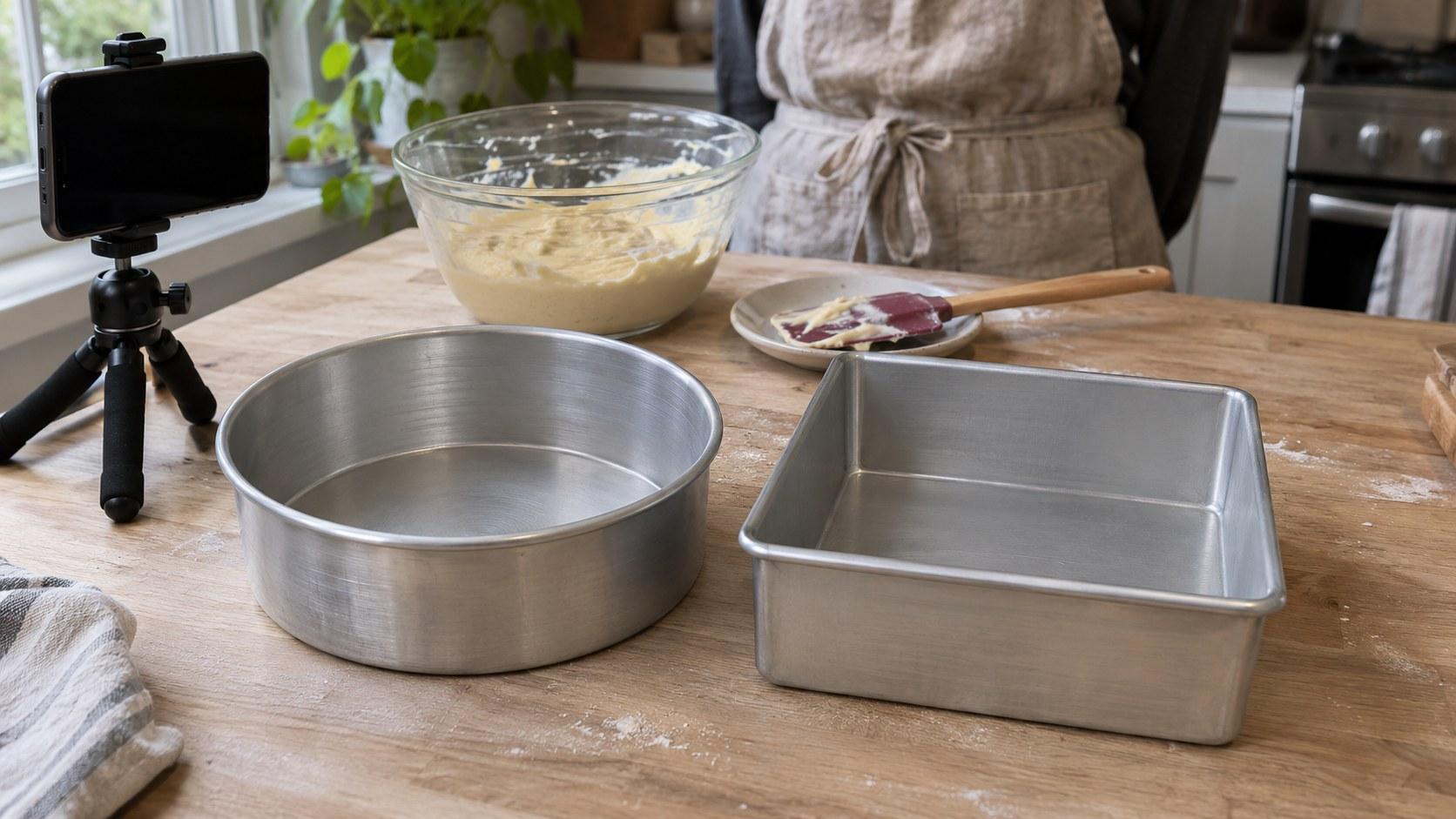
TikTok Baking Videos: Show Pan Size Before the Cake Reveal
A practical filming guide for baking creators: show pan shape, dimensions, depth, and batter level, then turn equipment questions into a useful next post.

TikTok Account Restriction Recovery: The 2026 Monetization Appeal Framework
Learn how to distinguish a TikTok restriction from a normal reach decline. Follow a practical framework for collecting evidence, appealing decisions, and protecting your account.

TikTok Likeness Protection 2026: Verify Your Identity, Find AI Deepfakes, and Protect Your Privacy
Learn how to use TikTok’s likeness-protection controls, verify your identity safely, and respond to unauthorized AI deepfakes. This guide also covers evidence collection, appeals, privacy, contracts, and long-term audience protection.