
Key Takeaways
What you'll learn in this article
- Show the same dough batch from its starting level to your decision to end bulk fermentation; a timer alone cannot explain readiness.
- Keep the container, camera angle, and reference mark consistent so viewers can compare actual change.
- Record recipe context and measured conditions without turning one successful batch into a universal schedule.
- Build the next post around one uncertainty: the rise, the surface, the movement, or the difference between bulk fermentation and final proof.
Key Takeaways
- Show the same dough batch from its starting level to your decision to end bulk fermentation; a timer alone cannot explain readiness.
- Keep the container, camera angle, and reference mark consistent so viewers can compare actual change.
- Record recipe context and measured conditions without turning one successful batch into a universal schedule.
- Build the next post around one uncertainty: the rise, the surface, the movement, or the difference between bulk fermentation and final proof.
Useful sourdough TikToks show what changed in the dough, not just how many hours passed. Film a starting reference, return to the same view during bulk fermentation, and explain the combination of recipe-specific signs behind your decision to move on. Keep elapsed time as context rather than presenting it as a countdown every viewer should copy.
This is a filming and content-planning workflow for bread educators, not a replacement for a tested sourdough recipe. The goal is a short lesson that helps your audience observe a process instead of imitating an unexplained schedule.
Choose the fermentation question before recording
A beautiful loaf does not show a beginner what happened inside the container. Neither does a fast montage of mixing, folding, shaping, and slicing. If viewers ask when you stopped waiting, your next post needs to make that decision visible.
Start by choosing one question:
- What did this batch look like when bulk fermentation began?
- How did its volume and surface change before shaping?
- Why did you continue waiting at an earlier check?
- Is this footage showing bulk fermentation or the later final proof?
That last distinction matters. King Arthur Baking's explanation of bulk fermentation defines it as the stage after mixing and before dividing and preshaping. Do not splice footage of a shaped loaf in a proofing basket into the first-rise sequence without explaining the stage change.
Write a narrow promise before filming: “This video shows the observations behind ending bulk for this batch.” Avoid “This is exactly when everyone's sourdough is ready.” Different doughs and conditions make that broader promise difficult to support.
Establish a reference viewers can compare
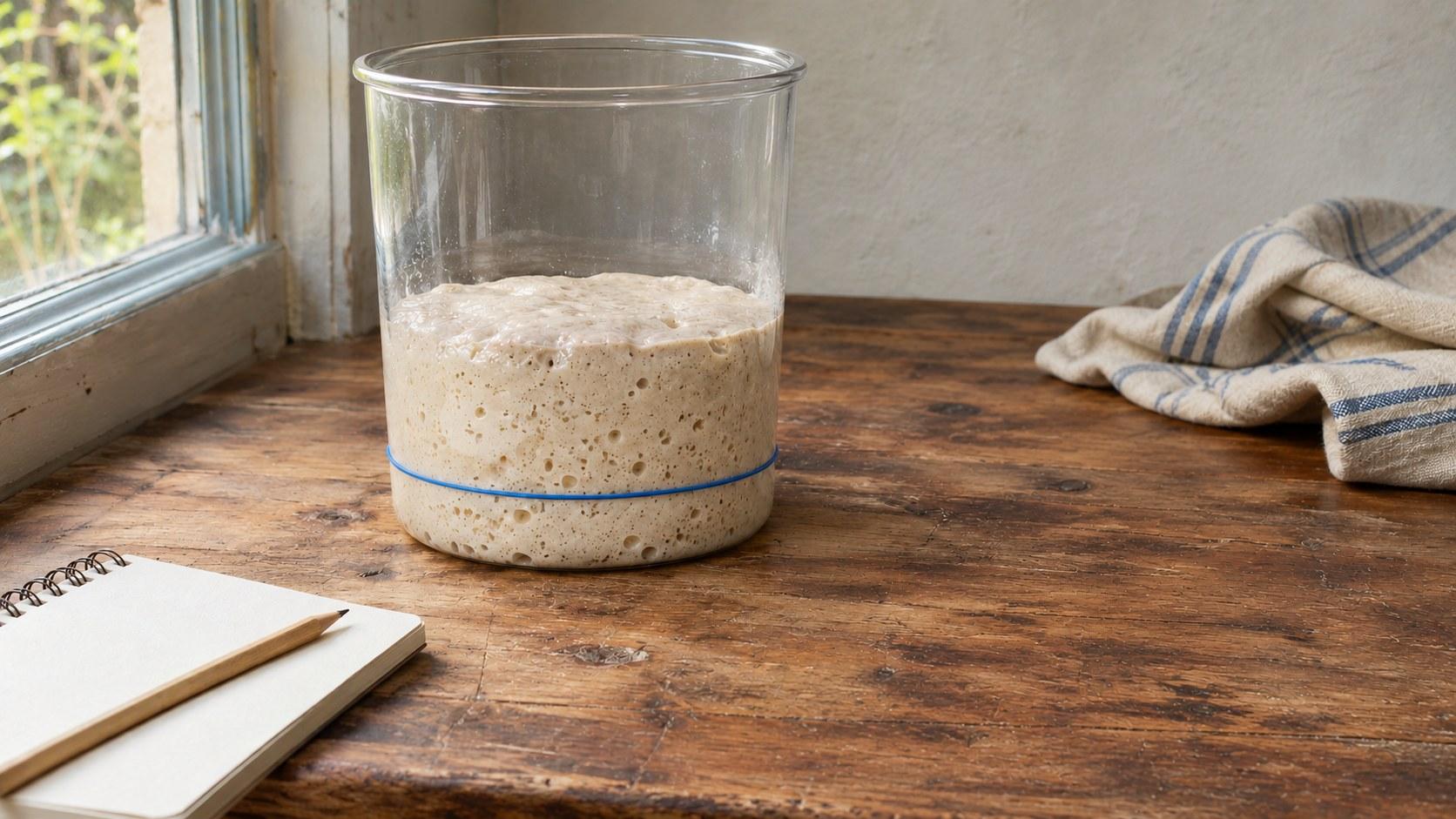
Choose a food-safe container that lets the camera see the dough clearly. A straight-sided container can make height changes easier to compare visually than a strongly flared bowl. You do not need new equipment, but you do need to explain what your view can and cannot show.
Place a removable mark or elastic band outside the container at the initial dough level. Keep it clear of food contact. Show the reference before the dough rises, and do not move it to make the later comparison more dramatic.
A height mark is an observational aid, not a universal fermentation target. In a curved container, height change does not translate simply into the same proportional volume change. Even in a straight-sided container, avoid quoting an exact rise percentage unless your method supports it.
Set the phone near the height of the reference, with the container upright and the background uncluttered. Mark the container's position on the work surface outside the food area. Keep the phone support stable and away from your working path.
Record a short test clip. Can you distinguish the dough boundary from reflections? Does the reference remain visible? If not, adjust the light or angle now, rather than trying to reconstruct a starting shot hours later.
Keep a same-batch shot log
A useful comparison needs continuity. Film the same batch at each stage, and write down the conditions you actually observed. Do not borrow a prettier endpoint from another baking day and imply that it belongs to the same timeline.
Your private shot log can be simple:
- Recipe and flour choice, including any changes you made.
- Starting time and what event that time refers to.
- Dough temperature if measured, clearly distinguished from room temperature.
- Times of folds and later observations.
- The observations behind your decision to end bulk fermentation.
You do not have to fit the whole log on screen. Use it to keep the voiceover and caption accurate. Link or identify the tested recipe so a viewer is not left to reconstruct essential ingredients and instructions from a short clip.
King Arthur's guidance explains that fermentation time depends on the bread and temperatures involved. It also describes looking at several signs, including strength, elasticity, smoothness, volume gain, and bubbles. Present these as observations used together, not as independent guarantees that any dough is ready.
For example, “This batch is smoother and has risen since the starting shot” describes evidence. “One bubble means you must shape immediately” turns a small visual detail into a rule the footage cannot establish.
Film the decision in three complementary views
For clear sourdough TikToks, give each shot a specific teaching job. These are suggested filming choices, not a fixed formula for video length or reach.
1. The side comparison
Return to the original angle and show the reference mark beside the current dough level. Keep the container and camera at the same relative height. Avoid a dramatic zoom that makes the later batch appear larger simply because it fills more of the frame.
If folds or handling have changed the dough's shape, say so. A freshly gathered mound and a relaxed mass can look different for reasons beyond fermentation. Include enough context to prevent a false before-and-after comparison.
2. The surface view
Add a closer view that shows the actual surface and visible bubbles. Introduce the angle change so viewers understand they are still looking at the same batch. Keep filters and heavy sharpening out of the teaching shot; they can exaggerate texture.
Describe what is visible without promising that someone else's flour or hydration will produce an identical appearance.
3. The movement check
If gentle movement is part of your assessment, record it at normal speed. King Arthur describes a gentle bowl shake as one way to observe aeration alongside other signs. Show the real movement rather than using slow motion to make a slight wobble look extreme.
Do not repeatedly disturb the dough just to improve the take. When the relevant footage is missing, explain that limitation or record a complete new demonstration on another baking day.
Edit elapsed time without turning it into an instruction
A time-lapse compresses waiting, but it can also erase the conditions that make the lesson useful. Label genuine time jumps and identify the stage being shown. Make clear whether your elapsed time starts after mixing or after a later fold.
If you add a temperature overlay, use a real recorded measurement and its units. Do not infer dough temperature from a thermostat reading. If you did not measure it, leave the number out and state the limitation plainly.
Keep an earlier observation in the edit when it helps explain why you waited. A starting shot followed immediately by the endpoint may show change without showing judgment. One intermediate check can make the difference understandable without requiring an entire baking documentary.
Watch the draft without sound. The labels should preserve the sequence and essential caveats. Then listen without watching: does the narration accidentally promise a universal duration that the images only support for one batch?
A hypothetical next-post brief
Imagine a bread creator whose viewers keep asking whether they should shape as soon as the recipe's estimated time ends. This is an illustrative scenario, not a reported customer result.
The post could open: “The timer is context. Here is what I checked in this batch before shaping.” Show the original dough level, one intermediate check, and the final observation from consistent angles. Explain the recipe and measured conditions in the caption.
Close with the boundary: this is the decision for the filmed batch, not a universal rise percentage or duration. If a viewer's dough differs, they need their recipe's guidance and relevant context, not a diagnosis based on your finished loaf.
For hook alternatives, try the free hook generator, then remove any language that promises perfect bread or replaces observation with certainty.
Turn the lesson into a practical publishing plan
Once the filming question is clear, InsightTok AI can help package it through Next Post Studio, with hook ideas, niche-relevant rising sound discovery, and account-specific posting-time guidance. A sound is optional: if it competes with the explanation, lower it or leave it out.
Keep baking decisions separate from posting decisions. Do not extend fermentation to hit a publishing window or rush the dough because you need footage. Finish the real baking process, edit the evidence, and then choose when to share it.
The InsightTok AI overview explains how account-specific planning supports that workflow. Planning tools can organize the next post; they cannot validate a fermentation endpoint or substitute for recipe testing.
Review understanding separately from reach
TikTok's official Studio guidance documents account and video analytics, viewer activity times, and engagement insights. Use the fields available in your interface; access and features can vary.
Compare the post with similar educational videos after the same observation period. Keep performance notes separate from teaching feedback. Saves or views may show interest, but they do not prove someone can recognize dough development.
Look at the questions that remain. Confusion about the starting mark suggests a missing reference shot. Questions about the basket may mean you blurred bulk fermentation and final proof. Questions about temperature may need a separate lesson rather than a longer caption on everything.
Before publishing your next sourdough TikToks, check batch continuity, visible reference marks, honest time labels, actual measurements, and a clearly bounded conclusion. Then choose one remaining uncertainty for the next demonstration.
If you want help turning that focused lesson into a hook, sound, and posting-time plan, start here.
InsightTok AI Team
Expert in TikTok growth strategies and social media analytics. Helping creators reach millions with data-driven insights and AI-powered recommendations.
Ready to Grow Your TikTok?
Get AI-powered analytics and content recommendations to boost your views and engagement.
Start Free TrialRelated Posts
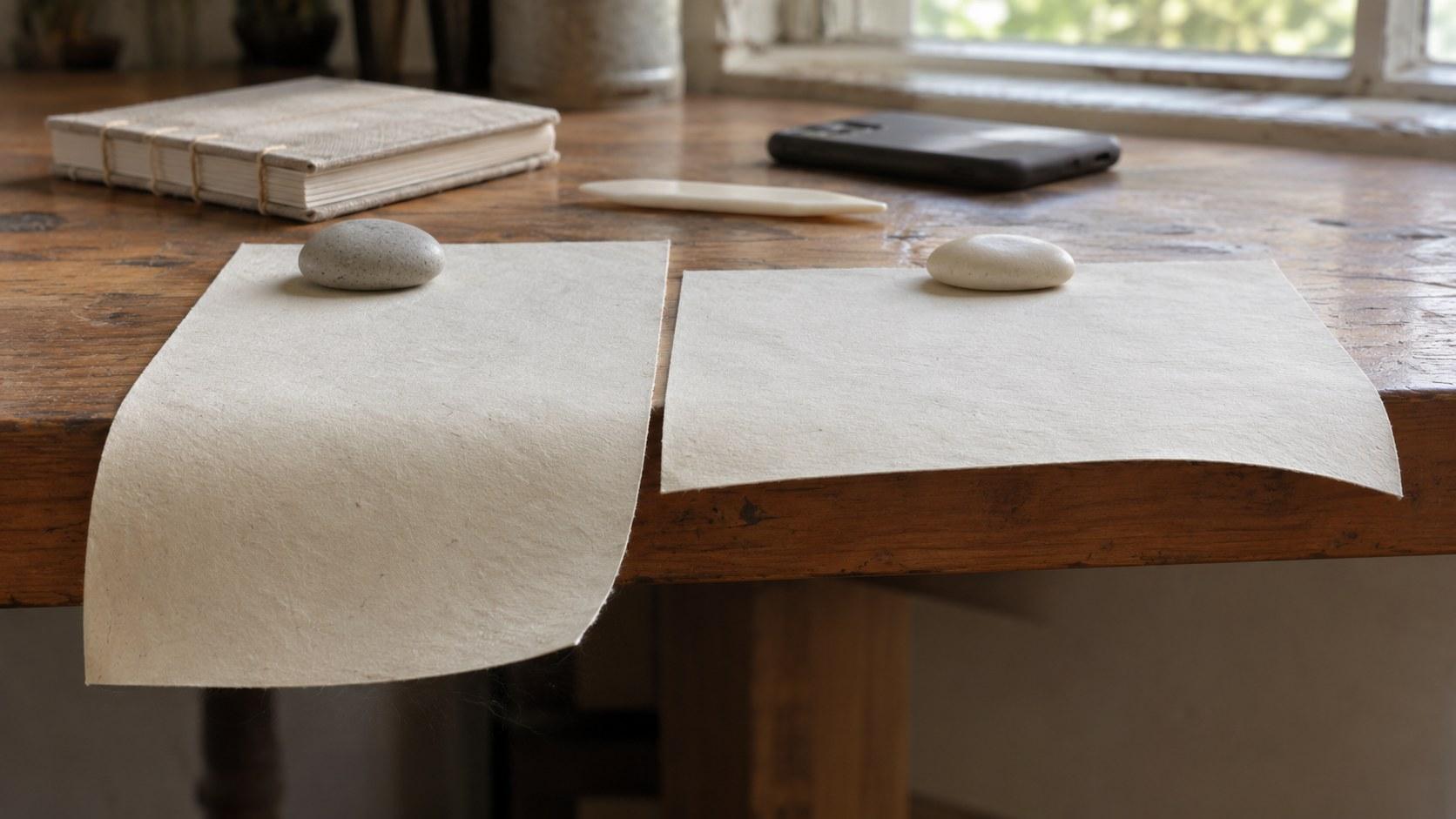
Bookbinding TikToks: Make Paper Grain Direction Visible
Film bookbinding TikToks that make paper grain visible with an equal-overhang test, clear orientation marks, and a continuous spine-fold demonstration.
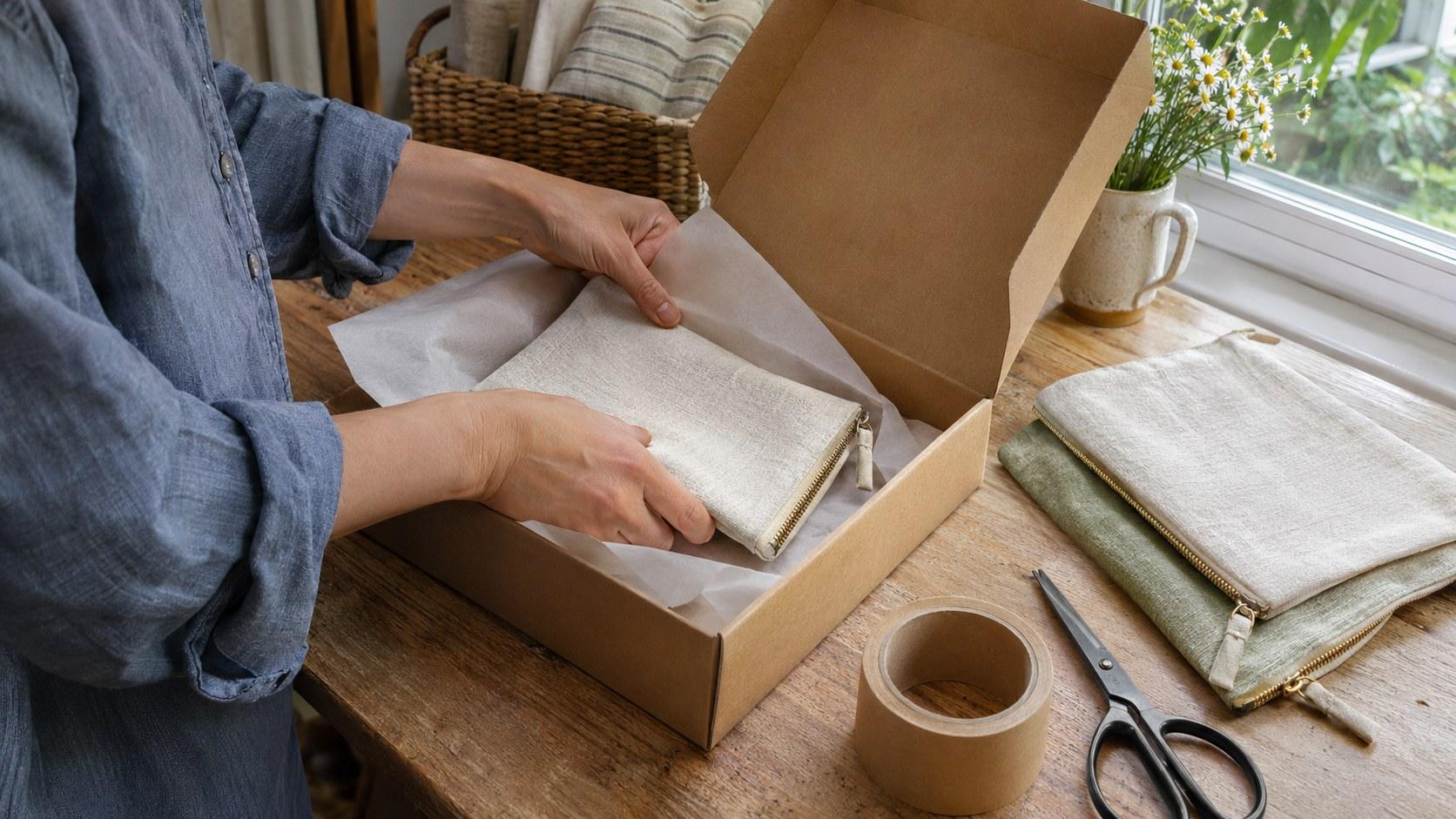
Packing Orders TikTok Videos: A Customer-Safe Shot Plan
Film packing orders TikTok videos with a label-free setup, an honest five-shot sequence, and a clear plan for your next customer-focused post.

TikTok Creator Health Rating Penalty Recovery 2026: Protect Your Reach and Monetization
Learn how to distinguish a real TikTok account penalty from ordinary performance volatility. Follow a practical recovery and prevention plan designed to protect reach, eligibility, and creator revenue.