

Key Takeaways
What you'll learn in this article
- What Is Creator AI Search?
- Why Brands Are Using AI to Find TikTok Creators
- The Biggest Profile Optimization Mistake
- How to Optimize Your Profile for Brand Discovery
- Metrics That Help Brands Evaluate You
TikTok Creator AI Search is changing how brands discover potential partners. Instead of manually scrolling through profiles or relying only on follower counts, marketers can use AI-assisted discovery tools to identify creators by niche, audience fit, content style, location, performance, and brand suitability.
For creators, this creates a valuable opportunity: build a profile that clearly communicates who you reach, what you create, and why your content performs. The easier you are for both algorithms and marketers to understand, the more likely you are to appear in relevant searches—before you send a single pitch.
What Is Creator AI Search?
Creator AI search refers to the use of artificial intelligence to help brands find, assess, and shortlist creators. These discovery systems may interpret profile information, video topics, captions, audience signals, previous collaborations, and performance data.
A skincare company, for example, may search for:
“US-based creators making educational content about sensitive skin, with strong comment activity and an audience interested in affordable products.”
A traditional database might filter only by category, location, and follower count. An AI-assisted system can potentially interpret context, distinguishing an educational skincare creator from someone who mentions skincare only occasionally.
The exact search features and eligibility requirements available through TikTok’s creator and brand tools may vary by market and account. However, the broader direction is clear: creator positioning needs to be machine-readable as well as persuasive to humans.
Why Brands Are Using AI to Find TikTok Creators
Finding the right creator manually takes time. A campaign manager may need to review hundreds of profiles, watch dozens of videos, verify engagement, and decide whether each creator fits the brief.
AI-assisted discovery can help brands narrow that list more efficiently. It may allow marketers to evaluate creators using signals such as:
- Primary and secondary content niches
- Audience location and interests
- Recurring video topics
- Average views and engagement patterns
- Content format and presentation style
- Brand safety and tone
- Posting consistency
- Previous sponsored content
- Search relevance
- Signs of audience trust or purchase intent
This does not mean AI makes every partnership decision. A human campaign manager will still review creative quality, communication style, pricing, and brand alignment.
Think of AI discovery as the first gate. Your profile must be clear enough to enter the shortlist, and your content must be compelling enough to stay there.
The Biggest Profile Optimization Mistake
Many creators describe themselves with broad labels such as “lifestyle creator,” “digital storyteller,” or “sharing what I love.”
These phrases sound polished, but they reveal very little. A brand cannot immediately identify your audience, expertise, location, or commercial relevance.
Compare these two bios:
Generic bio:
Lifestyle, wellness and good vibes
New videos every week
Searchable bio:
Budget meal-prep creator for busy professionals
High-protein recipes and grocery comparisons
Chicago | Partnerships: maya@samplemail.com
The second bio provides specific concepts that a discovery system or marketer could match with a campaign:
- Budget meal preparation
- Busy professionals
- High-protein food
- Grocery content
- Chicago-based creator
- Available for partnerships
Specificity does not limit your opportunities. It makes the right opportunities more likely to find you.
How to Optimize Your Profile for Brand Discovery
1. Define the Search You Want to Appear In
Before editing your bio, imagine the phrase your ideal brand partner would enter into a creator search tool.
Do not stop at “fitness creator.” Build a detailed positioning statement using four elements:
- Niche: What subject do you consistently cover?
- Audience: Who benefits from your content?
- Format: How do you present information?
- Commercial category: What types of products fit naturally?
A useful positioning statement might be:
“I create realistic apartment workout tutorials for beginner women who want affordable home fitness routines.”
That statement could support searches related to:
- Beginner fitness creators
- Women’s home workouts
- Apartment-friendly exercise
- Affordable fitness equipment
- Wellness tutorial creators
Use this positioning to guide your bio, captions, spoken hooks, playlists, and content calendar.
2. Put Clear Keywords in Your Display Name and Bio
Your username can remain creative, but your display name should provide useful context where appropriate.
For example:
- Maya Chen | Budget Meals
- Jordan Lee | Beginner Fitness
- Nina Travels | Accessible Europe
- Sam | Curly Hair Education
Your bio should reinforce that positioning without reading like a list of disconnected keywords. Include your primary niche, audience, distinguishing angle, and business contact information.
Avoid cramming in every subject you have ever discussed. A bio claiming “beauty, food, travel, fashion, fitness, books, and lifestyle” gives discovery systems no clear indication of where you are most credible.
3. Build a Consistent Topic History
Profile optimization cannot compensate for an unfocused content library. If your bio says you are a sustainable fashion educator but only two of your last 30 videos discuss clothing, brands may question the fit.
Create several repeatable content pillars that support the same positioning. A sustainable fashion creator could use:
- Thrift-store garment evaluations
- Fabric and care explainers
- Cost-per-wear breakdowns
- Outfit repetition challenges
- Ethical brand comparisons
The formats differ, but they reinforce one recognizable area of expertise.
Use TikTok profile analytics to identify which pillars generate the strongest combination of views, engagement, shares, profile visits, and follower growth. InsightTok AI can help you compare performance trends so your positioning reflects evidence rather than guesswork.
4. Say Your Niche Out Loud in Videos
TikTok can interpret more than your bio. Spoken language, on-screen text, captions, and viewer behavior all provide context about a video.
Use natural, descriptive hooks such as:
- “Here are three high-protein lunches for office workers.”
- “If you have sensitive skin, check these ingredients before buying sunscreen.”
- “This is how wheelchair users can navigate Rome’s major attractions.”
- “Try this apartment workout if jumping bothers your downstairs neighbors.”
These hooks are more informative than “You need to see this” or “I can’t believe nobody talks about this.”
You can still create curiosity. The goal is to combine curiosity with enough context for the right audience—and potentially the right brand—to understand the subject.
5. Write Captions for Clarity
A useful caption identifies the topic, audience, and takeaway. It should support the video rather than repeat a vague statement.
For a video comparing three portable blenders, a creator might write:
I tested three portable blenders for commuters who make protein shakes at work. Here is how they compared on battery life, noise, cleaning, and frozen fruit.
That caption includes commercially relevant concepts without sounding forced.
Add a small number of relevant hashtags when they improve categorization. Broad tags such as #fyp may offer little positioning value compared with specific terms such as:
- #PortableBlenderReview
- #OfficeMealPrep
- #ProteinShakeIdeas
- #KitchenProductTesting
Creators can use hashtag analytics to evaluate whether tags attract meaningful views and engagement instead of selecting them based only on popularity.
6. Pin Three Videos That Function as a Brand Portfolio
Pinned videos occupy valuable profile space. Treat them as a concise introduction for campaign managers who may spend less than a minute evaluating you.
A strong pinned set could include:
- Your best niche-defining video: Demonstrates expertise and presentation style.
- A high-performing proof point: Shows that your audience responds to your content.
- A brand-ready example: Demonstrates product integration, even if it was not sponsored.
Suppose Elena Ruiz creates small-space organization content. Her pinned videos might be:
- A 45-second tutorial that reorganized a studio kitchen and received 480,000 views
- A renter-friendly closet transformation with 9,200 saves
- An unsponsored comparison of three storage carts that generated 340 product-related comments
Together, these videos tell a clearer commercial story than three unrelated viral posts.
7. Make Your Commercial Fit Obvious
Brands need to envision their product inside your content. Publish organic videos that demonstrate relevant formats before you receive sponsorships.
Useful brand-ready formats include:
- Product comparisons
- Tutorials
- Before-and-after demonstrations
- Routine integrations
- Problem-and-solution videos
- Honest tests
- Frequently asked questions
- “Who is this for?” breakdowns
Do not turn every post into an advertisement. Instead, show that you can discuss products while retaining your voice and serving your audience.
If you create travel content, for example, you might naturally review luggage, booking tools, walking tours, hotels, transit passes, or accessibility services. That content gives travel brands evidence that you can integrate an offer credibly.
Metrics That Help Brands Evaluate You
Follower count is only one signal. A smaller creator with a clearly defined audience and reliable performance may be more attractive than a larger creator whose content is inconsistent.
Track metrics such as:
- Median views across recent posts
- Engagement rate
- Comments indicating interest or intent
- Shares and saves
- Profile-view trends
- Follower growth
- Performance by content pillar
- Posting consistency
- Sponsored versus organic performance
- Audience location, when available
Median views can be more useful than a simple average because one viral post can distort the result. If nine videos receive between 20,000 and 35,000 views while one reaches 900,000, the viral hit does not represent normal campaign delivery.
InsightTok AI’s profile analysis tools can help creators monitor views, engagement, and growth trends. Use those findings to strengthen your media kit and focus on formats that repeatedly attract the audience a brand wants.
A Realistic Optimization Scenario
Consider Marcus Reed, a fictional creator with 38,000 followers. He posts coffee recipes, desk accessories, productivity advice, restaurant visits, and occasional comedy videos.
His average content is visually strong, but his positioning is unclear. His bio reads:
Making everyday life better
Business: marcus@example.com
Marcus wants partnerships with coffee equipment and work-from-home brands. He restructures his profile around the phrase “home coffee for remote workers.”
He makes the following changes:
- Updates his display name to Marcus | Home Coffee
- Rewrites his bio to mention simple espresso recipes and remote-work routines
- Pins a grinder comparison, a desk coffee station makeover, and a beginner latte tutorial
- Creates weekly series about affordable equipment and five-minute drinks
- Uses descriptive captions mentioning home espresso, remote workers, and beginner brewing
- Removes unrelated comedy posts from his core content plan
- Tracks which coffee formats drive saves, comments, and profile visits
After eight weeks, his median views rise from 11,500 to 18,900. His coffee-equipment videos average a 7.4% engagement rate, and viewers repeatedly ask where they can purchase featured tools.
A brand searching for creators who make beginner coffee content for young professionals can now understand Marcus quickly. The optimization did not manufacture expertise; it made his existing value easier to identify.
Common Mistakes That Reduce Discoverability
Keyword Stuffing
Repeating phrases unnaturally can make your profile look unprofessional. Use precise language, but write for people first.
Chasing Unrelated Viral Trends
An off-topic viral post may increase reach without attracting the audience your ideal sponsors want. Adapt trends to your niche instead of abandoning your positioning.
Hiding Your Location
Location can matter for events, local services, hospitality, retail launches, and regional campaigns. If it is safe and relevant, include your city, region, or country.
Using Only Broad Categories
“Beauty creator” is less distinctive than “cosmetic chemistry explainers for acne-prone adults.” A narrower description gives brands a reason to select you from a large category.
Ignoring Contact Information
A searchable profile is not useful if a brand cannot contact you. Add a dedicated business email and check it consistently.
Claiming Results You Cannot Prove
Do not inflate views, conversion results, audience demographics, or past partnerships. Accurate reporting builds stronger long-term relationships.
Your 30-Minute Creator AI Search Audit
Use this checklist to improve your discoverability today:
- Write down the exact brand search you want to match.
- Identify your primary niche, audience, format, and location.
- Add a clear niche descriptor to your display name.
- Rewrite your bio using specific, natural language.
- Confirm that your business email is current.
- Review your latest 12 videos for topic consistency.
- Pin three videos that demonstrate expertise, performance, and brand readiness.
- Add descriptive captions and on-screen context to future posts.
- Record your median views and strongest engagement metrics.
- Choose three repeatable content pillars for the next month.
- Review creators in your category with competitor analysis.
- Update your media kit with recent, verifiable data.
Repeat the audit every 60 to 90 days. Your profile should evolve as your audience, expertise, and partnership goals change.
Build a Profile Brands Can Understand
Success with TikTok Creator AI Search is not about finding a secret keyword or manipulating an algorithm. It is about reducing ambiguity.
Make your niche obvious, produce a consistent body of work, describe your videos clearly, and maintain proof that your audience responds. When a brand searches for exactly the type of creator you have become, your profile should make the decision to shortlist you easy.
Use InsightTok AI to review your growth trends, identify high-performing content pillars, analyze competitors, and turn profile data into stronger positioning. Start analyzing your TikTok profile and build a creator presence designed to attract the right partnerships.
InsightTok AI Team
Expert in TikTok growth strategies and social media analytics. Helping creators reach millions with data-driven insights and AI-powered recommendations.
Ready to Grow Your TikTok?
Get AI-powered analytics and content recommendations to boost your views and engagement.
Start Free TrialRelated Posts

TikTok Creator Networks 2026: How to Win Recurring Brand Partnerships as a Specialist
Discover how to position yourself as a specialist creator, pitch recurring campaign programs, and become easier for brands to rehire. This guide covers analytics, pricing, payment administration, search visibility, and partnership reporting.

TikTok One Ads Strategy 2026: Monetize Videos Without Filling Your Profile With Sponsored Posts
Learn how to monetize creator-led TikTok ads without publishing every sponsored asset to your profile. This guide covers TikTok One workflows, pricing, licensing, compliance, and campaign measurement.
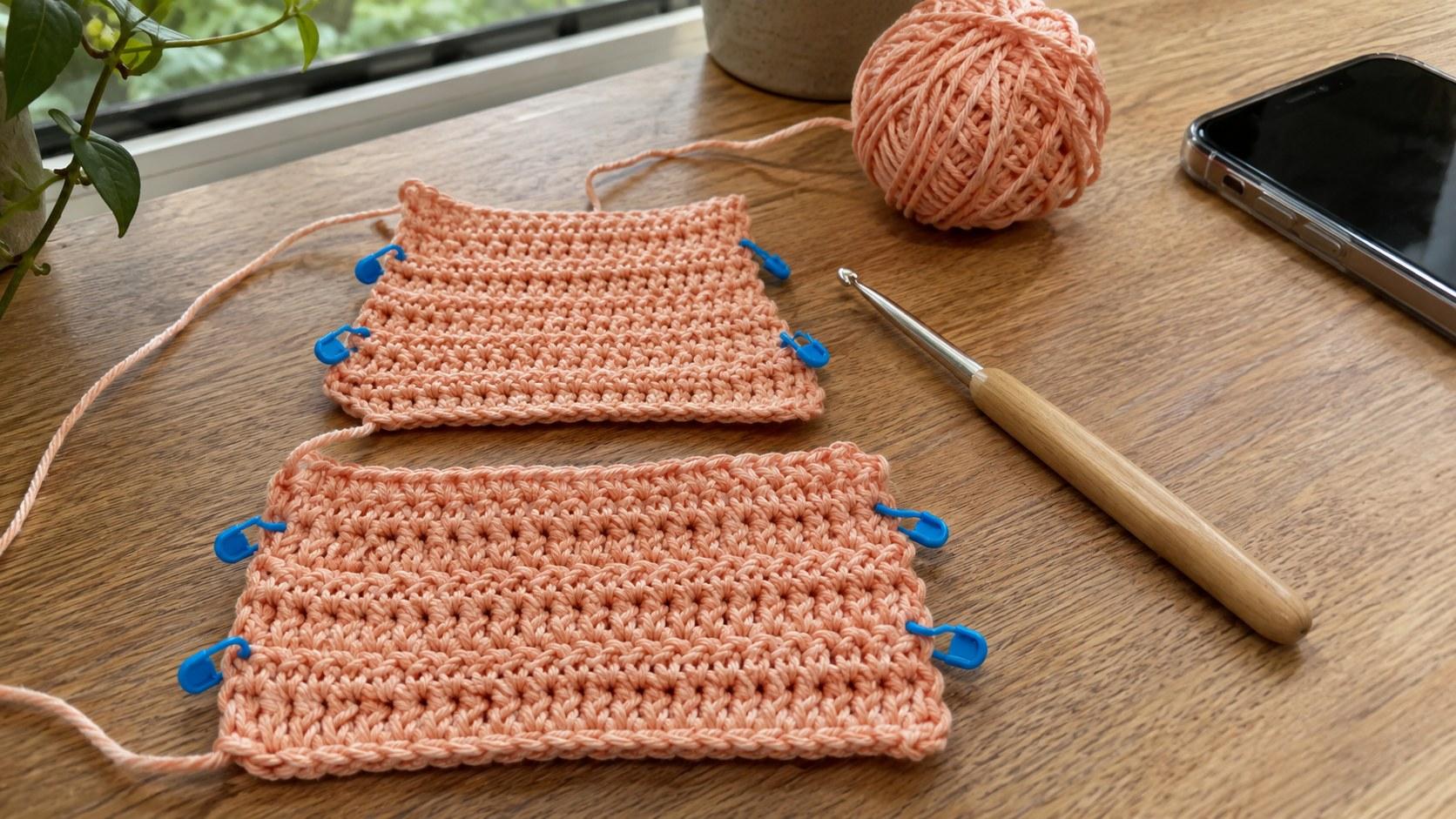
Crochet TikToks: Teach Viewers to Find a Missing Stitch
A filming and lesson-planning workflow for crochet creators: show row boundaries, explain the turning-chain convention, and help learners locate a count mismatch.