

Key Takeaways
What you'll learn in this article
- What Are TikTok Creator Networks?
- Why Recurring Brand Partnerships Matter in 2026
- The Specialist Positioning Advantage
- Build a Brand-Ready Specialist Profile
- Use Analytics to Prove Commercial Value
One sponsored video can pay this month’s bills. A six-month brand relationship can make your creator business predictable. For creators exploring TikTok Creator Networks 2026 recurring brand partnerships, the biggest opportunity is not joining every available campaign—it is becoming the obvious specialist for a specific audience, problem, and content format.
Brands increasingly need creators who can deliver consistent results, communicate professionally, and handle campaign administration without friction. That shift gives smaller niche creators an advantage over generalists with larger but less focused audiences.
What Are TikTok Creator Networks?
“Creator network” is a broad term for systems that connect creators with brands and campaign opportunities. Depending on your market, these networks may include TikTok’s creator-brand collaboration tools, talent agencies, influencer platforms, creator marketplaces, affiliate programs, or private brand rosters.
The exact tools, names, eligibility requirements, and availability can vary by country and account. The important development for creators is the move toward ongoing relationships rather than isolated sponsored posts.
A creator network may help brands:
- Find creators by niche, audience, location, or content style
- Review performance and audience information
- Send campaign invitations or briefs
- Manage content approvals and usage rights
- Track deliverables and payments
- Rehire creators who perform reliably
For creators, the real value is not simply access to more briefs. It is the opportunity to build a visible history of successful work that makes repeat bookings easier.
Why Recurring Brand Partnerships Matter in 2026
One-off sponsorships often create an unstable cycle. A creator spends hours pitching, negotiating, producing content, and chasing payment—then starts over with a new brand the following month.
Recurring partnerships change the economics.
Revenue becomes easier to forecast
A three-month agreement for four videos per month gives you a baseline revenue forecast. That makes it easier to plan equipment purchases, hire an editor, or reduce unrelated freelance work.
Content improves over time
The first sponsored video is often an experiment. By the fourth or fifth video, you understand which hooks, objections, demonstrations, and calls to action resonate with your audience.
That learning can improve:
- Watch time
- Comment quality
- Click-through rate
- Product page visits
- Affiliate conversions
- Cost efficiency for the brand
Brands reduce operational risk
Finding and onboarding a new creator takes time. A reliable creator who understands the product, meets deadlines, and follows disclosure requirements becomes more valuable with every successful delivery.
This means reliability can be as commercially important as reach.
The Specialist Positioning Advantage
Many creators describe themselves too broadly:
- Lifestyle creator
- Beauty influencer
- Food content creator
- Tech reviewer
- Fitness creator
These labels identify a category, but they do not explain why a brand should choose one creator over hundreds of alternatives.
A specialist position combines four elements:
- A defined audience
- A recurring problem or goal
- A recognizable content format
- A relevant product category
Instead of calling yourself a fitness creator, you might position yourself as:
“I create practical strength-training tutorials for women over 40 who work out at home.”
Instead of saying you make technology content, try:
“I demonstrate affordable productivity tools for freelancers and small creative teams.”
The specialist description immediately tells a brand who you reach, what you help them accomplish, and which products fit naturally into your content.
Build a Brand-Ready Specialist Profile
Your TikTok profile should make your commercial value understandable within seconds. A brand manager may review dozens of creators in one session, so clarity matters.
Write a precise bio
A useful bio should answer three questions:
- Who is the content for?
- What does the creator help them do?
- What type of content should viewers expect?
For example:
Apartment gardening for busy beginners
Weekly tests, tutorials, and budget product reviews
Partnerships: email@domain.com
This is clearer than “plants, life, and good vibes.”
Pin proof of expertise
Use pinned videos to show your strongest commercial capabilities. A practical set could include:
- A high-performing educational video
- A natural product demonstration
- A video with strong comments, saves, or search visibility
Do not pin three videos merely because they have the highest view counts. Pin the content that demonstrates what a brand could hire you to reproduce.
Create repeatable series
Recurring formats make your output easier for brands to understand. Examples include:
- “Three-Minute Tool Test”
- “Budget Meal Prep Breakdown”
- “Does This Skincare Claim Hold Up?”
- “Small-Space Garden Fix”
- “One Feature Freelancers Should Know”
A repeatable series also gives you a stronger partnership pitch. Instead of offering an unspecified sponsored post, you can propose a product integration within a format your audience already recognizes.
Use Analytics to Prove Commercial Value
Brands do not need a spreadsheet containing every metric from your account. They need evidence that your content reaches the right people and inspires meaningful action.
Focus on metrics connected to the campaign objective.
Awareness metrics
Use these when the brand wants exposure:
- Qualified views
- Unique reach
- Average watch time
- Completion rate
- Audience geography
- Follower growth associated with a series
Consideration metrics
Use these when the campaign must build product interest:
- Saves
- Shares
- Profile visits
- Product-related comments
- Questions about features, price, or availability
Conversion metrics
Use these when measurable action is the goal:
- Link clicks
- Affiliate conversions
- TikTok Shop orders
- Discount-code usage
- Cost per acquisition, when available
InsightTok AI can help creators monitor profile views, engagement, growth trends, hashtag performance, and best posting times. Instead of sending a generic media kit, use these findings to explain how your audience behaves and which content formats consistently perform.
Create a Partnership-Ready Media Kit
Your media kit should help a brand make a decision quickly. Keep it concise, current, and focused on relevance.
Include:
- Your specialist positioning statement
- Audience demographics and primary locations
- Typical views presented as a median, not only your viral peak
- Average engagement indicators
- Two or three relevant content examples
- Previous brand results, if available
- Services and deliverable options
- Contact information
- Disclosure and brand-safety practices
If you have not completed a paid campaign, use an organic product example. Clearly label it as unpaid, then explain its results.
For instance, fictional home-organization creator Maya Chen could write:
“My unpaid pantry-labeling tutorial generated 84,000 views, 3,900 saves, and 214 comments. Thirty-seven commenters asked where the containers were available, demonstrating strong purchase consideration.”
That is more persuasive than claiming to have an “engaged community” without evidence.
Pitch a Program, Not Just a Post
The strongest strategy for TikTok Creator Networks 2026 recurring brand partnerships is to propose a structured test that can become an ongoing program.
A low-risk initial proposal might include:
- Three videos over 30 days
- Three different creative angles
- One defined audience segment
- A performance review after the final post
- An option to extend for three months
Example partnership pitch
Suppose Daniel Ortiz creates meal-preparation videos for night-shift healthcare workers. He wants to approach an insulated food-container brand.
His pitch could say:
“My audience consists primarily of nurses, technicians, and other shift workers looking for practical meal-prep systems. I propose a three-video test: a 12-hour temperature challenge, a Sunday preparation tutorial, and a ‘what I pack for a night shift’ video. After 30 days, I will provide results for watch time, saves, product questions, and tracked clicks. If the content meets our agreed benchmarks, we can extend the series for three months.”
This pitch demonstrates audience relevance, creative planning, measurement, and long-term potential.
Make Payment Administration a Competitive Advantage
Late payments and vague contracts are major creator pain points. However, creators can also lose repeat work when their own invoicing and documentation are inconsistent.
Professional administration makes you easier to rehire.
Confirm the essential terms
Before producing content, document:
- Deliverables
- Deadlines
- Revision limits
- Posting dates
- Content approval process
- Compensation
- Payment terms
- Cancellation terms
- Exclusivity period
- Organic and paid usage rights
- Whitelisting or authorization terms
- Disclosure responsibilities
Usage rights should never be treated as a minor detail. A video posted on your profile is different from content a brand can run as an advertisement for six months.
Use a consistent invoicing process
Your invoice should include:
- Unique invoice number
- Creator or business name
- Brand or agency billing details
- Campaign name
- Deliverables completed
- Amount due
- Payment deadline
- Accepted payment method
- Required tax information
Send the invoice when the contract specifies, then follow up professionally before and after the due date. Maintain a payment tracker so outstanding invoices do not disappear in your inbox.
Offer operational clarity
A simple onboarding email can distinguish you from less organized creators. It can summarize:
- Signed agreement status
- Product delivery details
- Brief and talking points
- Draft deadline
- Feedback window
- Publication date
- Invoice schedule
Brand teams remember creators who reduce administrative work.
Use Search and Hashtags to Reinforce Your Specialty
Hashtags alone do not create authority. They work best when they support clear topic signals already present in your spoken words, on-screen text, caption, and content.
Use a focused mix:
- One broad category hashtag
- Two or three niche hashtags
- One audience or problem-specific hashtag
- A campaign hashtag when required
For a video about compact composting systems, a creator might use:
- #GardeningTips
- #ApartmentGardening
- #SmallSpaceGarden
- #CompostingForBeginners
Avoid filling captions with unrelated trending tags. A brand reviewing your profile should see consistent topical relevance, not an attempt to attract any possible viewer.
Use InsightTok AI’s hashtag tracking and trending-sound discovery to identify opportunities that fit your specialty. A trend is useful only when it strengthens your positioning or gives your audience a better way to understand the product.
Measure the Relationship, Not Only Each Video
Individual posts fluctuate. One video may receive fewer views but generate more qualified comments or conversions than a higher-viewed post.
For a recurring partnership, report cumulative results such as:
- Total qualified views
- Average watch time across deliverables
- Combined saves and shares
- Product questions
- Tracked clicks or orders
- Most effective creative angle
- Audience objections discovered
- Recommendations for the next campaign period
Imagine skincare educator Priya Shah completes six videos for a mineral sunscreen brand. The videos generate 410,000 combined views, but the most important finding is that comparison demonstrations receive twice as many saves as lifestyle videos.
Priya can recommend that the next six-video package include four comparison-led tutorials and two frequently asked question videos. She is no longer just delivering content; she is providing strategic insight.
Common Mistakes That Block Repeat Work
Accepting every category
Unrelated sponsorships can weaken audience trust and specialist positioning. Evaluate whether the product genuinely belongs in your content ecosystem.
Promising guaranteed virality
Creators cannot guarantee organic distribution. Commit to defined deliverables, strong creative execution, clear reporting, and agreed performance indicators instead.
Reporting only views
Views matter, but they rarely tell the complete story. Include retention, saves, comments, clicks, or conversions when they support the campaign objective.
Underpricing usage rights
Paid media rights can create significantly more value for a brand than an organic post. Price content production, posting, exclusivity, and usage separately.
Waiting for brands to find you
Creator networks improve discoverability, but proactive outreach remains valuable. Build a shortlist of 20 highly relevant brands and send personalized program proposals rather than generic messages.
A 30-Day Action Plan
Turn your profile into a partnership asset with this four-week process.
Week 1: Define your specialty
- Write a one-sentence positioning statement
- Identify three product categories that fit naturally
- Audit recent posts for topic consistency
- Update your bio and contact information
Week 2: Build proof
- Publish two expert-led videos
- Create one natural product demonstration
- Develop a repeatable series
- Record key performance metrics
Week 3: Prepare your business systems
- Update your media kit
- Create an invoice template
- Draft a campaign onboarding email
- Establish baseline pricing and usage-rights fees
Week 4: Start outreach
- Identify 20 relevant brands
- Research each brand’s current TikTok content
- Send five personalized pitches
- Propose a three-video test
- Follow up once after five to seven business days
Use TikTok profile analytics to identify your strongest formats before pitching. You can also conduct competitor analysis to understand which angles brands in your niche are already using—and where a content gap exists.
Build a Creator Business Brands Want to Keep
The opportunity behind TikTok Creator Networks 2026 recurring brand partnerships is not simply receiving more campaign invitations. It is building a reputation as a focused, measurable, and operationally reliable partner.
Define a specialty, create repeatable formats, present relevant analytics, and make every administrative step easy. InsightTok AI can help you turn profile and content data into clear evidence for your next pitch, so you compete on insight and consistency rather than follower count alone.
Start today by choosing one niche problem your audience trusts you to solve. Then build a three-video partnership concept around it and pitch the brands that benefit most from your expertise.
InsightTok AI Team
Expert in TikTok growth strategies and social media analytics. Helping creators reach millions with data-driven insights and AI-powered recommendations.
Ready to Grow Your TikTok?
Get AI-powered analytics and content recommendations to boost your views and engagement.
Start Free TrialRelated Posts

TikTok One Ads Strategy 2026: Monetize Videos Without Filling Your Profile With Sponsored Posts
Learn how to monetize creator-led TikTok ads without publishing every sponsored asset to your profile. This guide covers TikTok One workflows, pricing, licensing, compliance, and campaign measurement.
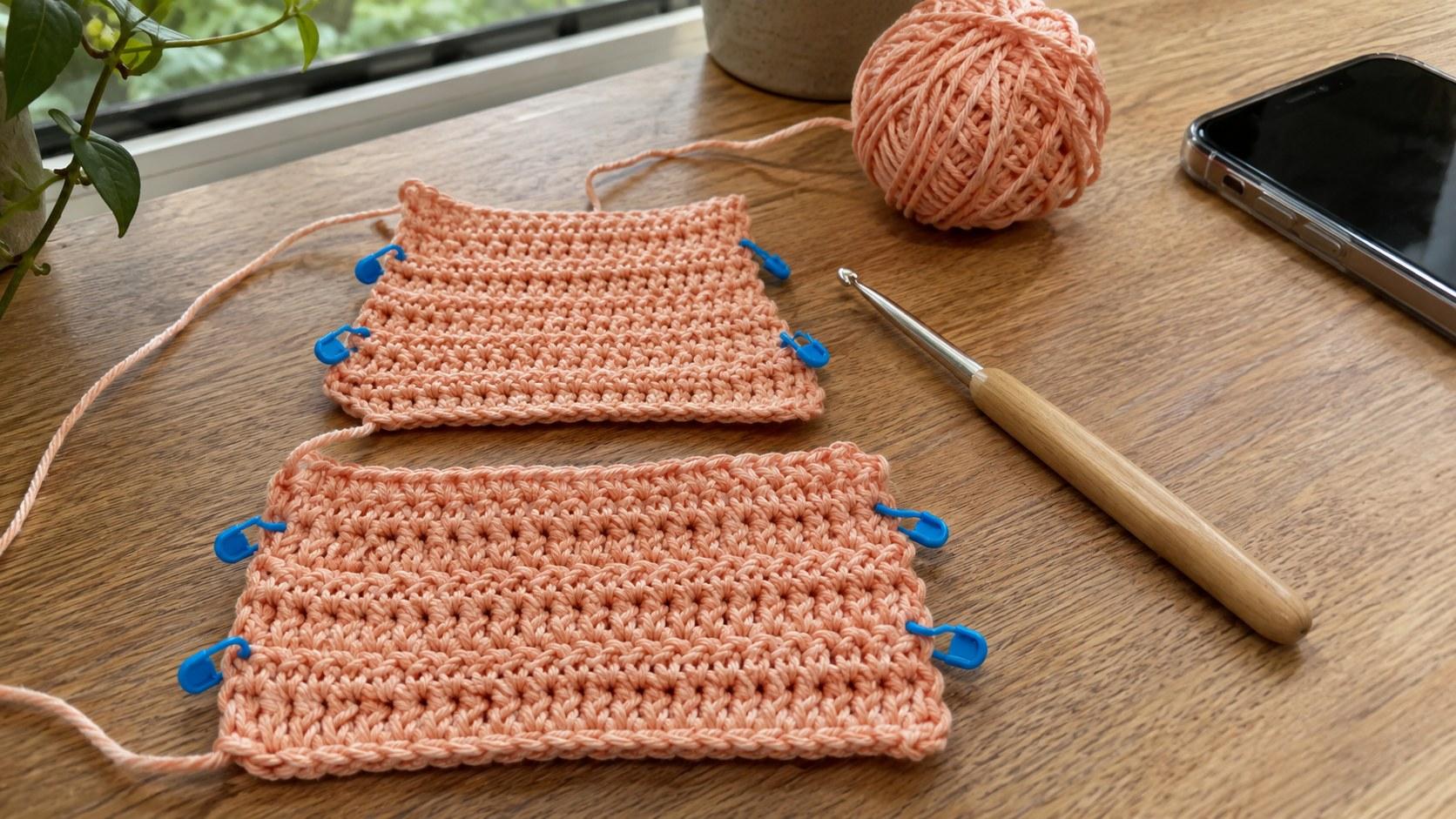
Crochet TikToks: Teach Viewers to Find a Missing Stitch
A filming and lesson-planning workflow for crochet creators: show row boundaries, explain the turning-chain convention, and help learners locate a count mismatch.

TikTok Creator AI Search in 2026: How to Optimize Your Profile So Brands Find You First
Discover how brands may use AI-assisted search to identify TikTok creators in 2026. Learn practical ways to optimize your profile, content, keywords, and performance proof.