

Key Takeaways
What you'll learn in this article
- Why Creator Rights Matter More in 2026
- Understand What You May—and May Not—Own
- How to Protect a Serialized Character
- Build a TikTok Content Archive That You Control
- Manage Your Digital Identity Beyond TikTok
A viral series can become a valuable creative asset—but only if you can prove what you made, preserve it outside TikTok, and control how others use it. Building a TikTok creator rights digital identity archive gives you an organized record of your videos, recurring characters, brand assets, agreements, and performance history before a dispute or platform disruption occurs.
This matters even if you are not yet a full-time creator. A character introduced today could lead to sponsorships, merchandise, licensing deals, or adaptations tomorrow, while an undocumented collaboration could create a costly ownership disagreement.
This article provides general educational information, not legal advice. Intellectual property, privacy, publicity, employment, and contract laws vary by jurisdiction. Consult a qualified attorney about your specific situation.
Why Creator Rights Matter More in 2026
TikTok creators increasingly produce interconnected stories rather than isolated posts. A comedy account might feature recurring fictional employees, while an educator may build a named on-screen persona with signature phrases and visual elements.
As these formats become more sophisticated, creators face several risks:
- A collaborator may claim partial ownership of a character.
- A brand may request broader usage rights than the creator intended.
- An impersonator may copy a name, costume, voice, or storyline.
- A deleted or restricted account may remove access to years of work.
- AI tools may make it easier to reproduce a creator’s likeness or style.
- A creator’s family or business partner may not know how to manage the catalog after an emergency.
TikTok can distribute your work, but it should not be the only place where your creative history exists. Platform reach and asset ownership are related, yet fundamentally different, responsibilities.
Understand What You May—and May Not—Own
Creators often say they “own a character,” but several distinct rights may be involved. The exact protection available depends on the work, its originality, local law, applicable registrations, and any contracts already signed.
Copyright in Original Creative Expression
Copyright may protect original expression fixed in a tangible form, such as:
- Written scripts
- Recorded videos
- Original illustrations
- Character artwork
- Music you composed
- Edited compilations
- Detailed story documents
Copyright generally does not protect a broad idea by itself. For example, the concept of “an exhausted café employee” is different from a developed character with a specific name, visual design, history, dialogue, and collection of original scripts.
Save the materials that show how your work developed. Drafts, dated scripts, raw footage, design files, and revision histories can help establish a timeline.
Trademark and Brand Identity
A recurring character’s name, logo, series title, or catchphrase may also function as a brand identifier. Trademark considerations can become relevant when audiences associate that identifier with particular entertainment, merchandise, or services.
Before investing heavily in a name:
- Search TikTok and other social platforms.
- Check relevant business and domain-name databases.
- Review trademark databases in the countries where you operate.
- Ask an intellectual property professional about clearance and registration.
- Secure consistent usernames and domains when possible.
A platform username is not automatically the same as a registered trademark. It can support your brand presence, but it does not necessarily establish exclusive rights everywhere.
Publicity, Privacy, and Likeness Rights
Your face, voice, image, and identity may be governed by publicity or personality rights, privacy law, contract terms, and platform policies. Rules differ significantly across jurisdictions, especially for synthetic media and commercial use.
If another person appears in your series, obtain appropriate written permission. A casual verbal agreement may not address paid advertising, reposting, AI training, international campaigns, or use after the collaboration ends.
Music, Clips, and Third-Party Assets
Owning your video does not mean you own every component in it. Music, stock footage, fonts, photographs, templates, and guest performances may carry separate licenses.
Keep records showing:
- Where each asset came from
- Which license applied
- The date it was downloaded or purchased
- Whether commercial use was permitted
- Any territory, duration, or platform restrictions
- Receipts and screenshots of the license terms
Music available for use in a TikTok post may not automatically be cleared for a television advertisement, downloadable product, or repost on every other platform.
How to Protect a Serialized Character
A strong character file is useful for production, licensing, continuity, and evidence of development. It turns scattered creative decisions into a documented intellectual property record.
Create a Character Bible
Develop one master document for every important recurring character. Include:
- Full character and series names
- Creation date and creator names
- Physical appearance and costume details
- Personality traits and motivations
- Backstory and fictional relationships
- Signature phrases or movements
- Original sketches and reference images
- Episode list and first appearance
- Rules governing how the character behaves
- Planned products, adaptations, or spin-offs
Maintain version history rather than overwriting the original document. Export dated PDF copies when you make substantial changes.
Clarify Ownership Before Collaborating
Imagine that creator Lena Ortiz writes and performs “Mara from Compliance,” while her friend Devon films six episodes and improvises several memorable lines. The series grows from 8,000 to 310,000 followers, and a workplace software company offers $18,000 for a branded episode.
Without a written agreement, Lena and Devon may disagree about who owns the scripts, footage, character, or revenue. A simple pre-production contract could have identified Lena as the character creator, defined Devon’s filming services, addressed improvisations, and established payment terms.
Before publishing collaborative work, document:
- Who created and owns each character
- Who owns raw and edited footage
- Whether contributions are assigned or licensed
- How revenue and expenses are divided
- Who can approve brand deals
- Whether either party can continue the series independently
- What happens when the collaboration ends
- How names, likenesses, and performances may be used
For meaningful projects, use a lawyer-drafted agreement rather than relying on direct messages.
Separate Personal and Business Assets
As a series becomes commercially valuable, consider creating a formal business structure with professional guidance. Keep project finances, contracts, registrations, and licenses separate from personal records.
You should also establish a consistent way to name your files. For example:
MaraCompliance_S01E014_Master_2026-04-18.mp4
This is much more useful than a folder containing final2.mp4, final2-new.mp4, and actual-final.mp4.
Build a TikTok Content Archive That You Control
Downloading only published videos is not enough. TikTok compression, text overlays, licensed audio, and watermarks can limit future reuse, while captions and audience context may disappear if they are not recorded separately.
A complete TikTok creator rights digital identity archive should preserve both creative assets and operational evidence.
Archive Every Layer of the Content
For each post, retain:
- Original camera files
- Project and editing files
- Clean master without platform overlays
- Published version
- Script, outline, or storyboard
- Thumbnail or cover image
- Caption and hashtags
- Publication date and URL
- Music and asset licenses
- Releases from guests
- Sponsorship brief and approval records
- Screenshots or exports of key performance data
InsightTok AI can help creators monitor views, engagement, and growth trends. Regularly record those insights alongside each campaign so future partners can understand not only what you published, but also how the work performed.
Follow the 3-2-1 Backup Rule
A reliable archive should include:
- Three copies of important files
- Two different storage types
- One copy stored off-site
For example, keep your working files on a computer, a second copy on an encrypted external drive, and a third in reputable cloud storage. Test a sample restoration every few months; an untested backup is only an assumption.
Enable multi-factor authentication on cloud, email, editing, domain, and social accounts. Store recovery codes in a secure password manager or protected offline location.
Use a Simple Archive Structure
A practical folder structure might look like this:
01_Characters_and_Brand02_Scripts_and_Development03_Raw_Footage04_Project_Files05_Final_Masters06_Published_Posts07_Contracts_and_Releases08_Licenses09_Analytics10_Brand_Deals11_Legal_and_Registrations12_Account_Recovery
Create a spreadsheet or database that connects each video to its files, collaborators, rights status, publication links, and analytics. Mark any asset with restrictions so it is not accidentally reused in an unauthorized context.
Manage Your Digital Identity Beyond TikTok
Your digital identity includes more than your account. It encompasses your name, face, voice, characters, brand presentation, domain names, contact information, and public associations.
Establish an Identity Map
List every official account, website, newsletter, shop, payment service, and business email associated with your creator brand. Record who has access, what recovery method is active, and when credentials were last reviewed.
Your map should distinguish:
- Official personal accounts
- Character or series accounts
- Fan communities
- Licensed partner accounts
- Inactive accounts you still control
- Known impersonation accounts
Cross-link official channels where appropriate. A creator website can serve as a stable verification hub if audiences need to confirm which profiles are authentic.
Monitor for Unauthorized Use
Search regularly for your creator name, character names, catchphrases, and distinctive series titles. Reverse-image searches and platform searches may uncover copied clips, fake accounts, unauthorized merchandise, or misleading advertisements.
Keep an evidence log containing:
- URL and account handle
- Date and time discovered
- Screenshots or screen recordings
- Description of the suspected misuse
- Your original source files
- Report or takedown reference numbers
- Responses from platforms or sellers
Do not publicly accuse someone of infringement before understanding the facts. Parody, commentary, licensed use, and legally permitted exceptions can complicate disputes, so seek professional advice when the stakes are high.
Protect Yourself in Brand and Licensing Deals
A sponsorship contract can affect how your face, voice, content, and characters are used long after a post goes live. Read the rights clause as carefully as the payment amount.
Watch for terms involving:
- Ownership: Is the work assigned to the brand or licensed temporarily?
- Usage period: Can the brand use it for 30 days, one year, or forever?
- Territory: Is use national, global, or platform-specific?
- Media: Does the agreement cover TikTok only, or all media?
- Paid advertising: Can the post become a targeted ad?
- Editing: Can the brand alter your words, appearance, or character?
- AI and synthetic media: Can your content train models or create replicas?
- Exclusivity: Which competitors are restricted, and for how long?
- Archival use: May the brand retain the work after the campaign?
- Termination: What happens if the relationship ends early?
Suppose beauty creator Amina Brooks charges $4,500 for three organic videos. A contract also gives the brand perpetual global rights to edit her face and voice for “all current and future media.” That clause could be considerably more valuable than the posts themselves.
Amina could negotiate a six-month TikTok-only license, require written approval for edits, prohibit synthetic replicas, and charge a separate fee for paid media. The lesson is simple: price the rights being granted, not just the labor required to create the video.
Plan for Account Loss, Incapacity, and Succession
Digital legacy planning is not only about death. It also helps if you are injured, locked out of an account, affected by a business dispute, or temporarily unable to manage a campaign.
Create an emergency document that identifies:
- Your business and legal contacts
- Where contracts and registrations are stored
- Which person can communicate with partners
- How scheduled content should be handled
- Which projects must be paused
- Where account-recovery instructions are located
- Whether existing work may remain public
- Who may manage, license, or retire your characters
Do not place raw passwords in an ordinary document. Use secure access controls and obtain estate-planning and legal guidance concerning authority, succession, and intellectual property transfers.
A 30-Day Creator Protection Plan
You can begin protecting your catalog without stopping production.
Week 1: Inventory
- List your accounts, characters, series, domains, and major collaborations.
- Identify your 20 most valuable or recognizable videos.
- Download available content and locate original files.
- Review your profile analytics to identify high-performing assets.
Week 2: Organize
- Create a consistent folder structure and naming system.
- Build character bibles for recurring roles.
- Match each collaboration to its contract or release.
- Flag missing licenses and unclear ownership.
Week 3: Secure
- Apply the 3-2-1 backup rule.
- Enable multi-factor authentication.
- Update recovery details and remove outdated account access.
- Create a digital identity map and impersonation log.
Week 4: Formalize
- Ask a qualified lawyer to review high-value rights and contracts.
- Prepare standard collaboration and appearance-release processes.
- Create guidelines for sponsorship, licensing, and AI usage.
- Establish a quarterly archive and security review.
Use InsightTok AI’s competitor analysis and content recommendations to guide future production, but preserve the resulting scripts, masters, and performance reports in systems you control. Growth intelligence is most valuable when it becomes part of a durable business record.
Your Content Is a Catalog, Not Just a Feed
Creators often protect their work only after a copied character, lost account, or unfavorable contract creates a crisis. A proactive TikTok creator rights digital identity archive makes your catalog easier to prove, license, transfer, recover, and grow.
Start today by backing up your best-performing series, documenting one recurring character, and reviewing the broadest rights clause in your latest agreement. Then explore TikTok growth tools from InsightTok AI to understand which protected assets are becoming the most valuable parts of your creator business.
InsightTok AI Team
Expert in TikTok growth strategies and social media analytics. Helping creators reach millions with data-driven insights and AI-powered recommendations.
Ready to Grow Your TikTok?
Get AI-powered analytics and content recommendations to boost your views and engagement.
Start Free TrialRelated Posts

TikTok Creator Networks 2026: How to Win Recurring Brand Partnerships as a Specialist
Discover how to position yourself as a specialist creator, pitch recurring campaign programs, and become easier for brands to rehire. This guide covers analytics, pricing, payment administration, search visibility, and partnership reporting.

TikTok One Ads Strategy 2026: Monetize Videos Without Filling Your Profile With Sponsored Posts
Learn how to monetize creator-led TikTok ads without publishing every sponsored asset to your profile. This guide covers TikTok One workflows, pricing, licensing, compliance, and campaign measurement.
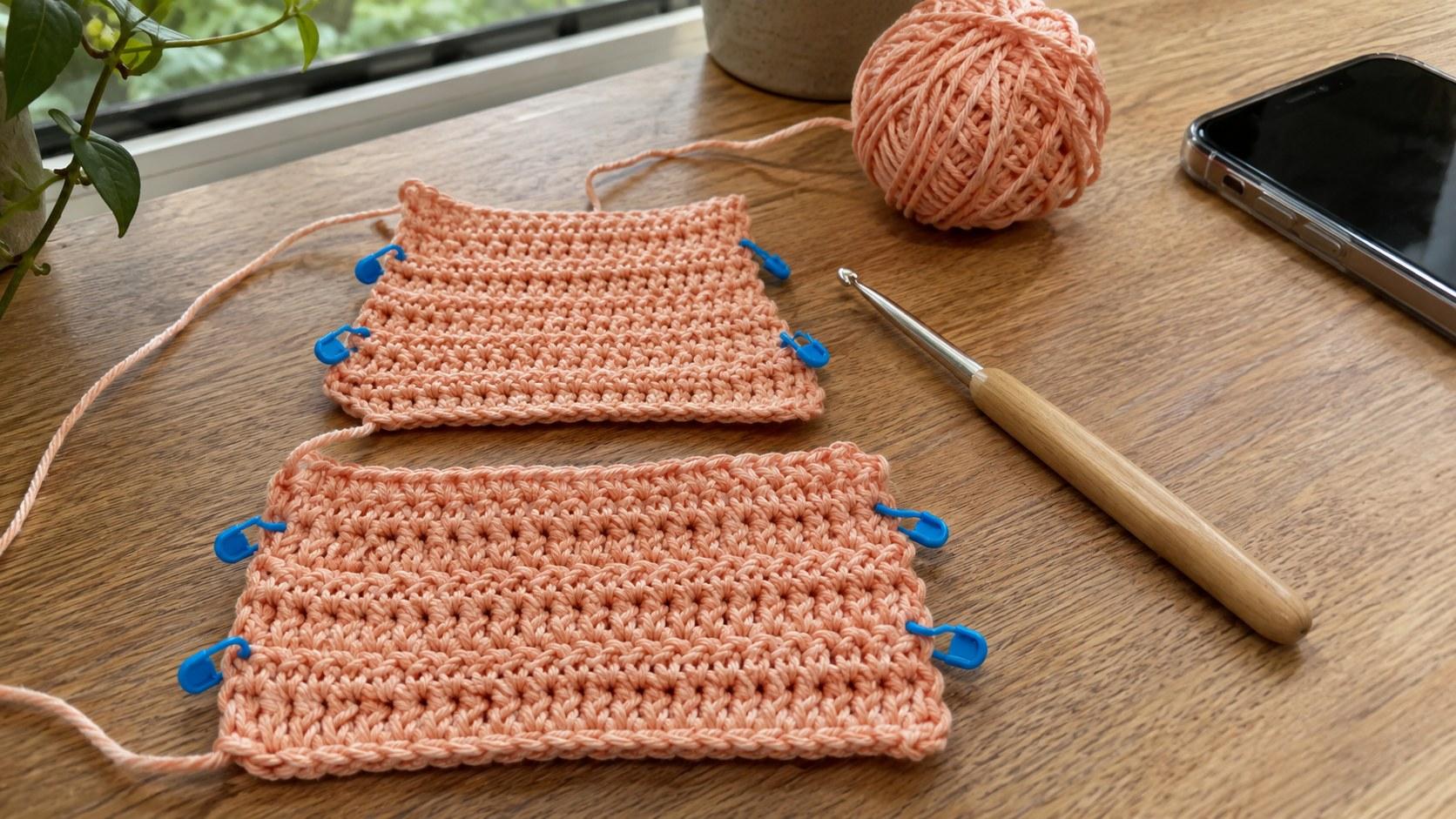
Crochet TikToks: Teach Viewers to Find a Missing Stitch
A filming and lesson-planning workflow for crochet creators: show row boundaries, explain the turning-chain convention, and help learners locate a count mismatch.